Sidebar thought: when I hear the word porridge, I think of poor little Oliver Twist. A fictional orphan, but representative of many in his time period.
This clip is from the 1948 film (I think), which I never saw. I've only seen the musical film Oliver! (filmed in 1968), which I remember as being outstanding.
For lunch, we had leftover chick peas with the butter-chicken-sauce-without-the-chicken (makhani sauce we got from Safeway). It didn't look quite like this, but it smelled like it (yes, it smelled delicious):
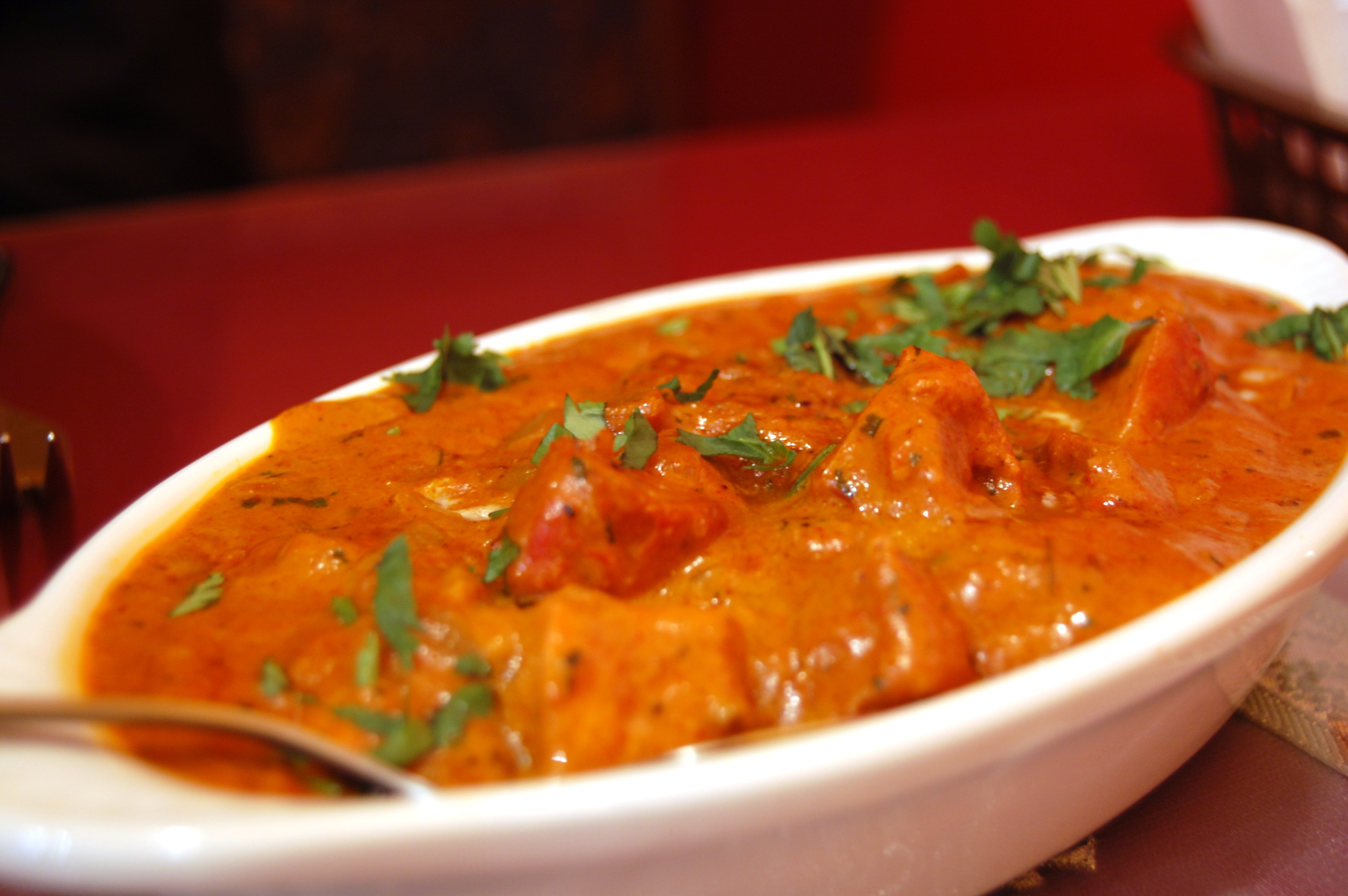
For dinner, we mashed the leftover chick peas then added lemon juice and olive oil to make a variation on hummus, and mixed that with white rice.
I am not sure what to write about today, but I have been trying to think about what I've learned. I think I need to collect my thoughts on that topic some more.
So instead, I'll just share some thoughts on diet challenges in general, such as Live Below the Line (spending no more than about $1.50/day on food) and SNAP challenges (no more than $4.50-$4.80/day). And some people may take a similar challenge or diet adjustment for ethical, environmental, health-related, or other reasons. But those two diet challenges I mentioned are more focused on reducing food spending and experiencing what it's like to not have the freedom or means to just buy whatever you want.
Most recently, the Panera CEO decided to take on the SNAP challenge (and he has pursued additional initiatives to address hunger and poverty). Many other mayors and other politicians have given it a try. Regardless of what your thoughts are on the Supplemental Nutrition Assistance Program in the U.S., I think it's good that people are trying such challenges - it can help them empathize with those who struggle to make ends meet and help people be more disciplined with their spending and eating habits. Some people may criticize that taking on such a challenge doesn't really address (or solve) poverty, hunger, or "food insecurity", but I would counter that at least it is raising awareness on this topic.
This rice and beans compassion diet has some similar goals and benefits, but a few notable things are different, at least for me on a personal level, and also on a contextual and practical basis.
- On a practical level - we don't have as much flexibility for types of food, like you would with the SNAP or LBL challenges. But, beans and rice are fairly cheap, so I think it would fit within the SNAP challenge spending limits, but maybe not every day for Live Below the Line. As an example, one 1-lb bag of beans could cost $2 or less, depending on the grocery store or the type of bean. You can easily make 4 meals or more with that one bag. Rice is even cheaper than beans, but canned beans are more expensive than either dry beans or dry rice.
- With respect to context - we chose rice and beans because it is the staple diet for many countries, and specifically the base diet for the children we met at the feeding center in Bluefields, Nicaragua. For some of those kids, their lunch meal would be the only nutritious meal (or only meal) they might receive that day. Usually it was a meal of fortified beans and rice, and sometimes a meat item was included.
- On a personal level, we chose to do this diet because we wanted to raise money for an organization and program that we saw firsthand and are now eager to support. We felt that God called us to do this and we are now trying to be faithful in a small, personal way that might also allow us to be an advocate for those children and have opportunities to tell their stories to our friends, families, and colleagues.
If you have done something like this before, I welcome your thoughts and experiences. Did you find it worthwhile, challenging, or meaningful, and did you learn anything?

No comments:
Post a Comment